
Last Updated: October 23, 2026
Quick Summary
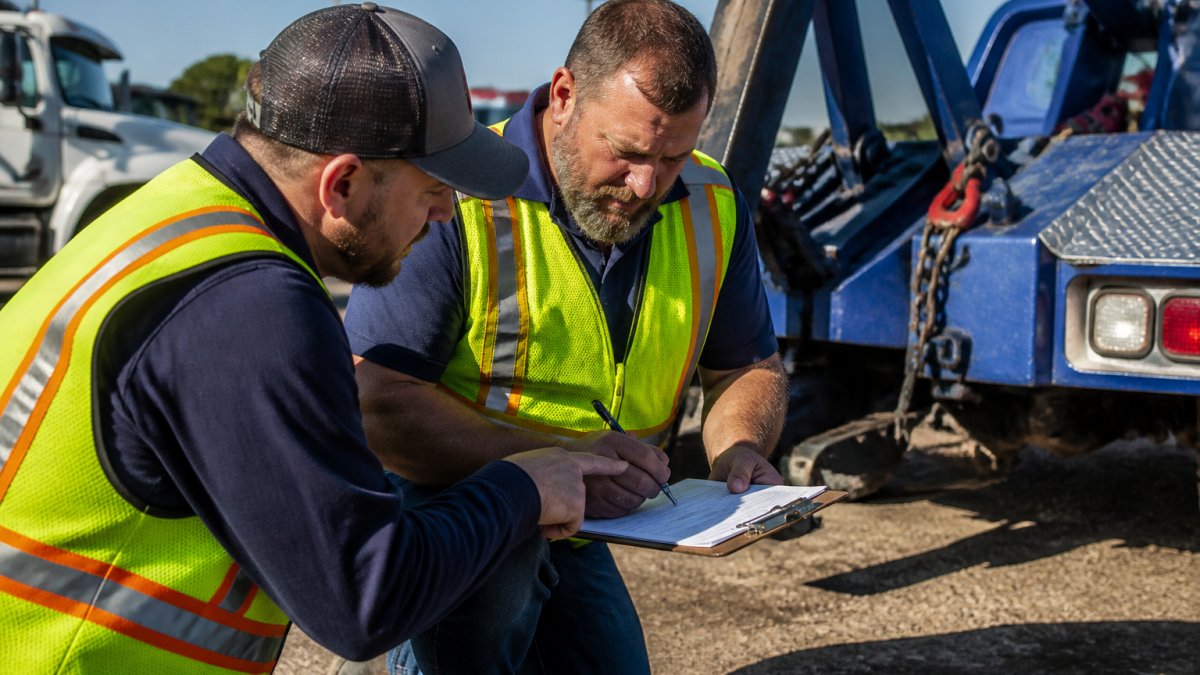
Safety consultants towing operations help towing companies identify hazards, develop written safety programs, ensure regulatory compliance, and train employees to work safely. They bridge the gap between what your safety manual says and what actually happens on the job, assessing current practices against OSHA and DOT standards.
- A written safety program is a legal requirement under OSHA regulations and must address pre-shift inspections, roadside protocols, equipment use, driver training, and incident investigation.
- DOT compliance covers vehicle maintenance, driver qualifications, hours of service, and safety standards enforced by the Federal Motor Carrier Safety Administration.
- Effective towing training combines classroom instruction, hands-on demonstration, and supervised field practice rather than generic online modules.
- Safety consultants specializing in towing offer alternatives ranging from hands-on training and policy development to OSHA audits, software tools, and post-collision expertise.
- An external safety audit by a qualified consultant provides objective assessment and creates documentation showing your commitment to compliance.
Table of Contents
- What Safety Consultants Do for Towing Operations
- Building a Towing Company Safety Program
- DOT Compliance for Commercial Vehicles in Your Fleet
- Towing Safety Training and Hands-On Instruction
- Safety Consulting Alternatives: What to Compare
- Fleet Safety Audit Checklist for Towing Companies
- How to Evaluate and Select a Safety Consultant
- Frequently Asked Questions
What Safety Consultants Do for Towing Operations
Safety consultants towing operations help towing companies identify hazards, develop written safety programs, ensure regulatory compliance, and train employees to work safely. For towing operations, this work is essential. Your drivers face roadside dangers, traffic exposure, equipment failures, and high-stress situations that demand both clear procedures and hands-on competency.
A safety consultant’s core job is to bridge the gap between what your safety manual says and what actually happens on the job. They assess current practices, identify gaps against OSHA and DOT standards, refine written safety policies, and often deliver training.
For a towing company, the right safety consultant helps reduce incidents, defend your operation if something goes wrong, and avoid the disruptions and liability exposure that come with preventable accidents.
Building a Towing Company Safety Program
A written safety program is not optional, it’s a legal requirement under OSHA regulations and a practical necessity for any towing operation serious about protecting its people and business.
Start with a hazard assessment. Walk your yards, observe drivers during roadside operations, and document the specific risks your team faces: traffic exposure, equipment operation, recovery techniques, weather, fatigue, and communication failures. This assessment becomes the foundation of your written program.
Your program should address these core areas: pre-shift vehicle inspections, roadside safety protocols, equipment use and maintenance, driver training and evaluation, incident reporting and investigation, and corrective actions when things go wrong.
Documentation matters. When you can show regulators, insurance carriers, or a courtroom that you had a clear policy, trained your people on it, and enforced it consistently, you’ve built a defensible safety record. Guidance on standardizing safety practices across your operation helps ensure consistency across shifts and locations.
DOT Compliance for Commercial Vehicles in Your Fleet
The Department of Transportation sets regulatory requirements for commercial motor vehicles, including tow trucks. These rules cover vehicle maintenance, driver qualifications, hours of service, and safety standards.
Your vehicles must pass regular inspections and maintenance checks. Brakes, lights, tires, coupling devices, and emergency equipment must meet DOT standards.
Hours-of-service rules limit how long a driver can work consecutively and require minimum rest periods. These rules exist because fatigued drivers cause accidents. Your dispatching and scheduling practices must comply with these requirements, and you must keep records showing compliance.
The Federal Motor Carrier Safety Administration (FMCSA) regulations outline these requirements in detail. Many towing companies work with safety consultants towing operations specifically to ensure their vehicle maintenance schedules, driver files, and operational practices align with DOT standards.
Towing Safety Training and Hands-On Instruction
Generic online safety training does not work for towing. Drivers need instruction on the specific hazards they face: positioning vehicles safely on roadways, operating recovery equipment, securing loads, working in traffic, and responding to emergencies. They need supervised practice and feedback from someone who understands towing operations.
Effective towing training includes initial instruction for new drivers, refresher training for experienced staff, and ongoing competency evaluation. It should cover both the “what” (your written policies) and the “how” (hands-on practice).
Learn how hands-on instruction reduces preventable incidents and closes the gap between policy and practice. The best towing safety training programs combine classroom instruction, hands-on demonstration, and supervised field practice, not just video modules or printed handouts.
Safety Consulting Alternatives: What to Compare
When evaluating safety consultants for your towing operation, you have several options: firms offering comprehensive program development and ongoing support, specialists in OSHA compliance audits, and software tools for documentation and training tracking. The right choice depends on your operation’s size, compliance maturity, and the support you need most.
Here’s how the main alternatives compare:
| Consultant Type | Best For | Key Services | Primary Strength |
|---|---|---|---|
| Scomac Associates LLC | Towing and recovery operations needing field-tested training and policy development | Hands-on safety instruction, towing-specific policy development, DOT and OSHA compliance guidance | Real-world towing expertise with practical, non-generic training |
| Lancaster Safety Consulting | Mid-sized transportation employers requiring comprehensive regulatory support | OSHA compliance audits, written safety program development, on-site training, regulatory representation | Nationwide coverage and strong focus on mid-sized business needs |
| Evolution Safety Resources | Companies transitioning from basic compliance to proactive safety culture | Hazard identification, safety management systems, incident investigation, regulatory training | Comprehensive approach to safety culture transformation |
| Safety Plus | Fleet managers needing digital tools for compliance documentation and training tracking | Automated training scheduling, digital document management, incident reporting, compliance dashboards | Reduces administrative burden and centralizes safety records |
| Collision Safety Consultants | Towing companies dealing with post-accident liability and vehicle repair standards | Post-repair safety inspections, diminished value assessments, expert witness services | Specialized expertise in collision-related liability |
Scomac Associates LLC
Scomac Associates LLC provides practical, field-tested safety training and risk management solutions designed for towing, emergency response, and industrial operations. The company delivers hands-on instruction and policy development that address real towing challenges, not generic safety content.
What sets Scomac Associates LLC apart is bridging the gap between written policies and actual job-site practice. Your team gets instruction from someone who understands towing operations, not just safety theory. Training is hands-on, covers towing-specific hazards, and includes driver competency evaluation, addressing the common complaint that traditional training doesn’t stick because it isn’t relevant to how your people actually work.
Pros:
- Hands-on, real-world instruction tailored to towing operations
- No generic or check-the-box training
- Field-tested safety solutions developed specifically for towing
- Towing-specific policy development and compliance guidance
Cons:
- Smaller firm than some national alternatives
- Services are customized, which requires direct engagement rather than off-the-shelf solutions
Lancaster Safety Consulting
Lancaster Safety Consulting specializes in OSHA compliance, safety program development, and on-site training for mid-sized businesses, with nationwide coverage that’s valuable for multi-location towing operations. Their approach includes customized OSHA compliance audits, written program development, on-site training, and representation during OSHA inspections.
Pros:
- Strong focus on mid-sized business needs
- Nationwide coverage for multi-site operations
- Comprehensive OSHA compliance support
Cons:
- Pricing is not publicly listed and requires a custom quote
- Services are more management-focused than hands-on driver training
Evolution Safety Resources
Evolution Safety Resources takes a broader approach, focusing on hazard identification, safety management systems, incident investigation, and safety culture transformation. Their services include risk assessments, safety management system implementation, regulatory training, and incident investigation support, best suited for companies moving beyond basic compliance toward a proactive safety mindset.
Pros:
- Comprehensive approach to safety culture transformation
- Detailed guidance on OSHA standards and documentation
- Strong emphasis on proactive risk management
Cons:
- Services are tailored to high-level management involvement, which may be intensive for smaller towing operations
- Less emphasis on hands-on driver training
Safety Plus
Safety Plus is a software and consulting platform that automates safety documentation, training tracking, and compliance tasks, centralizing records, scheduling, and dashboards. It works well if your primary challenge is organizing and tracking documentation rather than developing training content or building safety culture, reducing the administrative burden of maintaining records and compliance files.
Pros:
- Reduces administrative burden through automation
- Centralizes safety documentation for easy retrieval
- Useful for fleet managers managing multiple drivers and locations
Cons:
- Requires internal management to maintain data accuracy
- Does not provide hands-on training or policy development
Collision Safety Consultants
Collision Safety Consultants specializes in post-collision vehicle inspections, diminished value assessments, and expert witness services, relevant for towing and recovery operations dealing with complex accident liability. If your company frequently handles high-value recoveries or post-accident disputes, this firm addresses a specific need.
Pros:
- Highly specialized expertise in vehicle collision standards
- Directly addresses financial liability related to vehicle damage
- Expert witness services for dispute resolution
Cons:
- Niche focus does not cover general OSHA or FMCSA compliance
- Not a solution for overall safety program development
Fleet Safety Audit Checklist for Towing Companies
A safety audit is a systematic review of your operations against written policies and regulatory standards. It identifies gaps, documents compliance status, and highlights areas needing corrective action. Many towing companies conduct internal audits; others hire external consultants for mock OSHA audits.
Use this checklist to evaluate your fleet safety program:
- Written safety program in place and current (reviewed and updated within last 12 months)
- Hazard assessment completed and documented for towing-specific operations
- Pre-shift vehicle inspection procedures documented and enforced
- Driver qualification files maintained for all drivers (license, medical certification, driving record)
- Training records documenting initial and refresher safety training for all drivers
- Incident reporting and investigation procedures in place and followed
- Corrective action documentation showing how incidents were addressed
- DOT compliance maintained (vehicle maintenance, hours of service, driver qualifications)
- OSHA compliance assessed (hazard communication, recordkeeping, injury reporting)
- Emergency response procedures documented (accident response, injury protocols)
- Regular safety meetings or toolbox talks conducted and documented
- Personal protective equipment requirements identified and provided
- Equipment maintenance schedules followed and documented
- Communication protocols in place for roadside operations
- Fatigue management policies documented (hours, rest requirements, dispatch practices)
An external audit by a qualified safety consultant provides an objective assessment and creates documentation showing your commitment to compliance. This defensibility matters if you face a regulatory inspection or an incident investigation.
How to Evaluate and Select a Safety Consultant
Start by assessing their experience with towing or transportation operations.
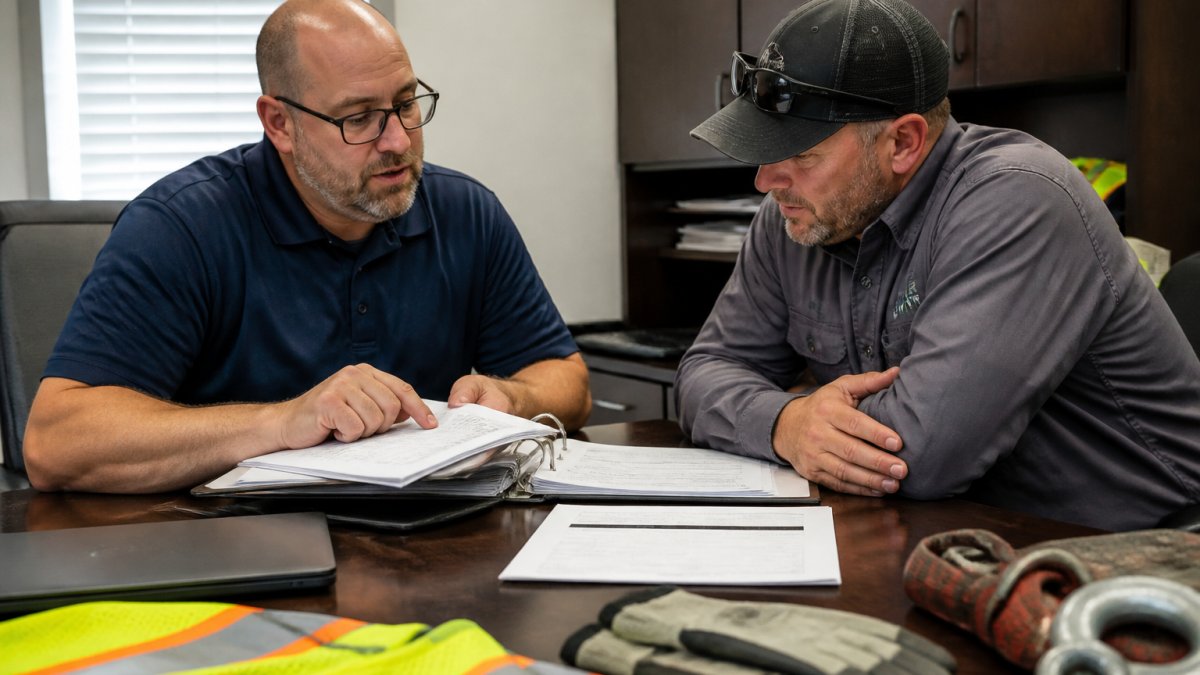
Ask about their approach to training. Do they deliver hands-on instruction or only classroom content?
Evaluate their understanding of your regulatory environment.
Consider their scope of services. Some consultants handle program development, training, audits, and incident investigation; others specialize in one area.
Ask for references from other towing companies. How long have they worked with the consultant? What specific improvements did they see?
Understand their engagement model. Do they work on a project basis (developing a program, conducting an audit) or an ongoing retainer?
Finally, assess their communication style. You need someone who explains complex regulatory requirements in clear language, not jargon meant to impress.
Protecting your towing operation from preventable incidents requires more than a safety manual on a shelf.
Frequently Asked Questions
What does a safety consultant do for a towing company?
A safety consultant for towing companies assesses your operations for DOT compliance, develops written safety programs, identifies hazards specific to roadside work, and delivers training on incident prevention and driver safety. They conduct audits to find gaps between your current practices and regulatory requirements, then recommend corrective actions. For towing, this includes vehicle maintenance standards, roadside scene safety, communication protocols, and driver qualification documentation.
What safety requirements apply to towing companies?
Towing companies must comply with FMCSA regulations for commercial vehicle operation, including driver qualification files, vehicle maintenance records, and hours-of-service rules. OSHA standards apply to workplace safety, hazard communication, and incident reporting. DOT regulations govern vehicle inspection, cargo securement, and hazardous materials if applicable. Requirements vary by fleet size and vehicle weight ratings. A qualified safety consultant can identify which regulations apply to your specific operation and help you build compliance into your daily procedures.
Should we build a towing company safety program in-house or hire a consultant?
In-house programs work for companies with dedicated safety staff and compliance expertise, but most towing operations benefit from external consulting. A consultant brings industry-specific knowledge, stays current on regulatory changes, and provides objective audit findings. They also help defend your company in incident investigations by showing you took proactive steps. Many towing companies use a hybrid approach: hire a consultant to design the program and train leadership, then maintain it internally with periodic reviews.
What should towing companies look for in a safety consultant?
Prioritize consultants with direct towing industry experience, not just generic safety credentials. They should understand FMCSA driver qualification requirements, vehicle inspection standards, and roadside hazards unique to towing. Ask about their approach to training: hands-on instruction that sticks is more valuable than check-the-box online courses. Verify they can conduct meaningful audits, not just paperwork reviews. Request references from other towing companies and confirm they distinguish between legal requirements and voluntary best practices.
