
Table of Contents
- What Near Misses Are and Why They Matter
- Near-Miss Reporting Procedures for Drivers
- Creating a Blame-Free Reporting Culture
- Investigating Causes and Root-Cause Analysis for Road Incidents
- Fleet Driver Coaching After a Near Miss
- Using a Near-Miss Report Form Template
- Measuring Fleet Safety Performance Metrics
- Training Employees and Drivers to Recognize Near Misses
- Frequently Asked Questions
Last Updated: October 20, 2026
What Near Misses Are and Why They Matter
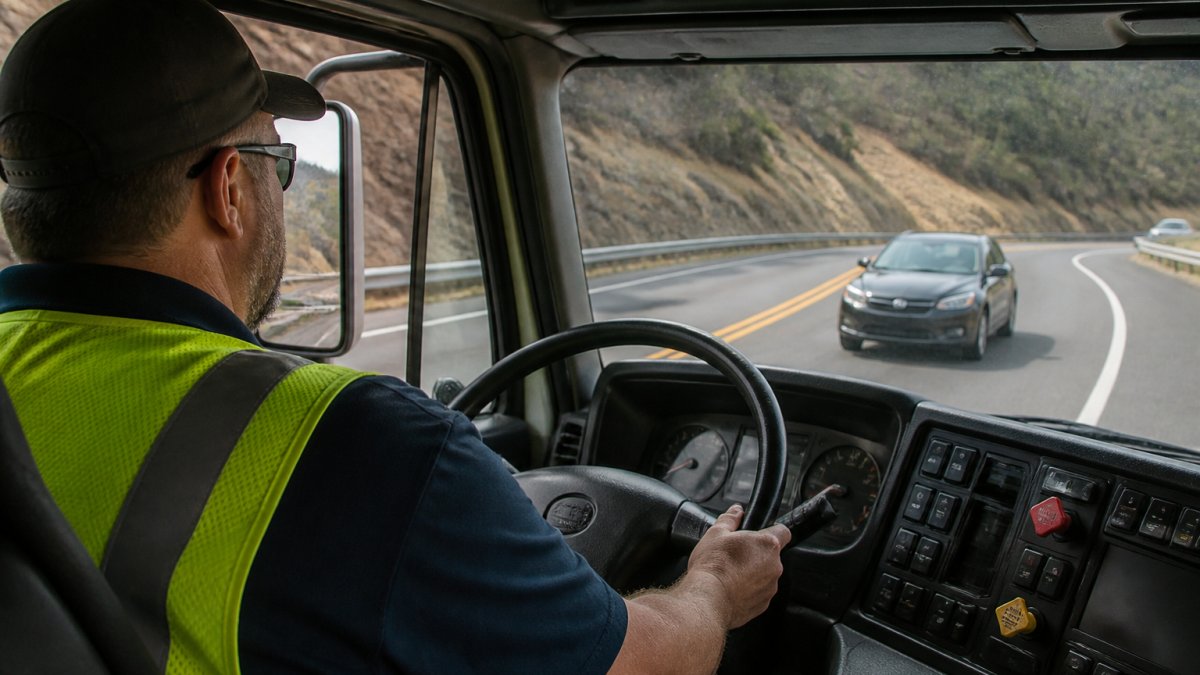
A near miss is an unplanned event that could have caused injury, illness, or property damage but didn’t, a close call where luck or quick reactions prevented a crash.
Near misses are free safety lessons: they reveal hazards before they become accidents. A driver who reports one gives your fleet a chance to fix the problem before someone gets hurt. That’s the core of reducing near miss incidents for drivers, using these warnings to prevent real crashes.
Most fleets ignore near misses, drivers don’t report them, managers don’t ask, so the same hazard repeats until someone gets hurt. Then the company pays: workers’ compensation claims, liability lawsuits, regulatory fines, and lost productivity. For every reportable accident, dozens of near misses typically preceded it; catching them early stops the accident.
Near-miss reporting isn’t optional, it’s the foundation of a safety program that works. When drivers feel safe reporting what went wrong, management gets what it needs to fix real problems before they become tragedies.
Near-Miss Reporting Procedures for Drivers
Drivers won’t report near misses unless they know what to report and how to report it. Your job is to make reporting simple, fast, and consequence-free.
How to Recognize a Reportable Near Miss
Not every close call needs a report. A driver sees dozens of potential hazards every shift. The goal is to capture the ones that reveal a real problem, something that could happen again and cause actual harm.
A reportable near miss typically has these qualities:
- It involved a real hazard. A pothole, an aggressive driver, poor visibility, equipment failure, or a road condition that created risk.
- The outcome was luck, not skill. Something external prevented the incident, a pedestrian stopped, a vehicle swerved away, the weather changed. If the driver’s quick reaction was the only thing that prevented a crash, that’s reportable.
- It’s likely to happen again. A one-time freak occurrence doesn’t need investigation. But a hazard that’s common to that route, that time of day, or that type of road deserves attention.
- It could have caused injury or damage. If the near miss had gone wrong, someone would have been hurt or property would have been damaged.
Train drivers to ask themselves: “If that had happened one second later, would we have crashed?” If yes, report it.
Step-by-Step Reporting Process
Make reporting fast. Drivers won’t use a system that takes 20 minutes to fill out. Here’s a workflow that works:
Step 1: Report immediately or at end of shift. Don’t wait days, details fade. A driver can report in 2 minutes while parked, or at day’s end. Most fleets find end-of-shift works best: drivers have time to think and aren’t rushed.
Step 2: Use a simple form. The form should ask for:
- Date and time of the near miss
- Location or route
- What happened (brief description)
- Why it happened (what caused it)
- Who was involved (driver name, any other vehicles or people)
- No blame language. Just facts.
Step 3: Submit without fear. The driver should know that reporting a near miss will NOT result in discipline. Make this crystal clear. Post it. Say it in meetings. Prove it by never punishing a driver for reporting.
Step 4: Acknowledge the report. Within a day or two, management should confirm that the report was received and will be reviewed. A simple message: “Thanks for reporting this. We’re looking into it.”
Step 5: Follow up with action. Critical, if drivers report and nothing happens, they stop reporting. After investigating, tell drivers what you found and what you’re doing: change the route for a road hazard, provide training for a gap, coach for driver error. Drivers need to see their report led to real change.
Creating a Blame-Free Reporting Culture
The biggest barrier to near-miss reporting is fear. Drivers worry the report will be used against them, so they stay silent.
A blame-free culture means reporting a near miss is never punished. Period.
How do you build this?
Make it explicit. In your safety policy, in driver meetings, and in your training, state clearly: “Reporting a near miss will not result in discipline.” Don’t assume drivers know this. Tell them.
Prove it. The first time a driver reports and management acts without blaming them, word spreads that it’s safe to report. Over weeks, the culture shifts.
Separate reporting from discipline. If a driver reports a near miss and you discover they were driving recklessly, address that separately in a coaching conversation, not as punishment for reporting.
When drivers trust that reporting is safe, they report. And when you get reports, you get data. That data is how you reduce incidents.
Investigating Causes and Root-Cause Analysis for Road Incidents
A near miss report is just the beginning. The real work is understanding why it happened. That’s where root-cause analysis comes in.
Don’t just ask, “What happened?” Ask, “Why did it happen? And why did that cause happen?” Dig deeper.
A driver reports a near miss on a specific road. Your first instinct might be “the driver wasn’t paying attention”, surface-level. The real question: why weren’t they? Poor lighting? No warning sign? Fatigue?
Here’s a simple process:
Step 1: Gather the facts. Interview the driver with open-ended questions. “Tell me what happened.” Listen without interrupting. Get details on the road, weather, other vehicles, time of day, and what the driver was doing.
Step 2: Ask “why” multiple times. Start with the immediate cause. Then ask why that cause existed. Keep asking why until you reach something you can actually fix.
Example:
- What happened? “A car cut me off.”
- Why? “The car was in my blind spot.”
- Why was it in your blind spot? “My mirror wasn’t adjusted, and I didn’t see it.”
- Why wasn’t the mirror adjusted? “The driver before me adjusted it, and nobody checked it.”
Now you’ve found something fixable: a pre-trip inspection that catches mirror adjustments.
Step 3: Look for patterns. If multiple drivers report similar near misses on the same road, the road is the problem, not the drivers. Fatigue-related reports on night shift mean fatigue is the problem.
Step 4: Document your findings. Write down what you found and what you think caused it. This creates a record and helps you track whether your fix actually worked.
Fleet Driver Coaching After a Near Miss
After you investigate, you coach. Coaching is teaching, not punishment.
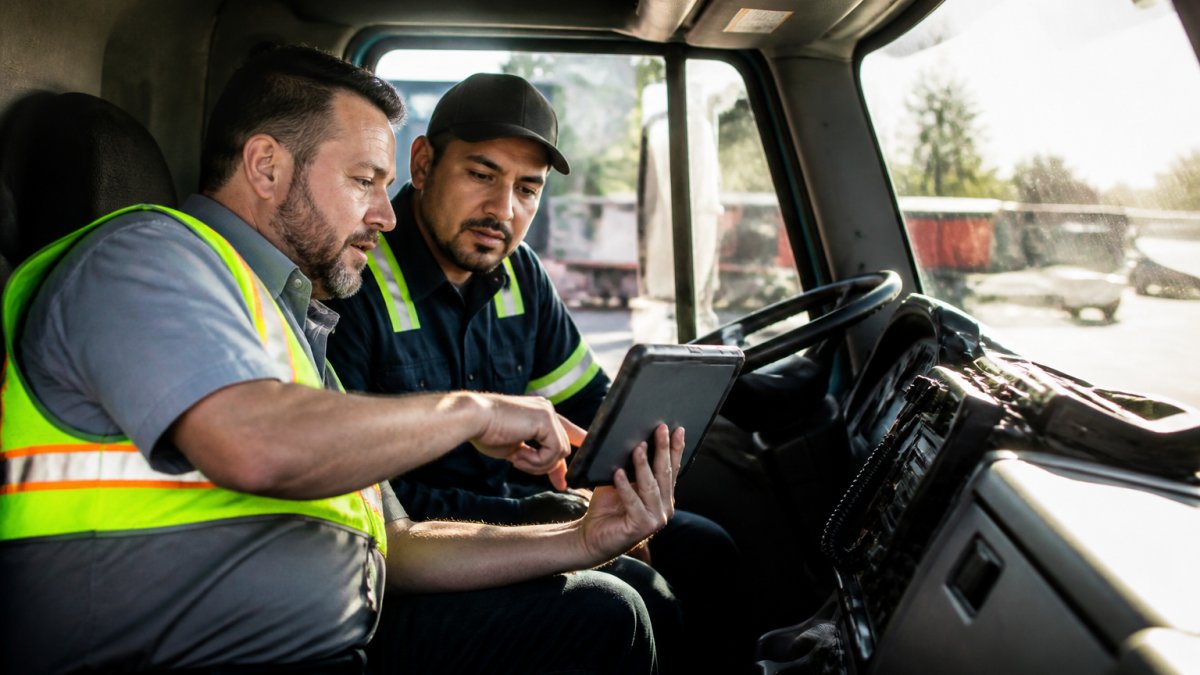
Most near misses happen because drivers didn’t know better, didn’t see the hazard, or lacked the skills to respond. Coaching fixes that.
Have the conversation soon. Don’t wait a week. The near miss is fresh in the driver’s mind. Coach within a day or two.
Start with curiosity, not blame. “Tell me what happened from your perspective.” Let the driver explain, often they’ll identify their own mistake. If not, guide them.
Focus on what they can control. If a road hazard caused it, don’t blame the driver, talk about responding to that hazard next time. If driver error, discuss the specific skill or decision to improve.
Teach, don’t punish. Show the driver what to do next time: how to adjust mirrors, how to practice hazard scanning, or how to manage rest and fatigue.
End with agreement. “Here’s what I heard. Here’s what I think we should do. Do you agree?” Get the driver’s buy-in. Coaching works only when the driver wants to improve.
Using a Near-Miss Report Form Template
Your form should be simple enough to fill out in 2-3 minutes and capture the information you need to investigate.
Here’s a template:
NEAR-MISS INCIDENT REPORT
Date: _____ Time: _____ Driver Name: _____
Location/Route: _____
What happened? (Describe the near miss in 1-2 sentences)
Why do you think it happened? (What caused it?)
Were any other vehicles or people involved? If yes, describe:
Could this near miss happen again on this route or in similar situations?
Yes / No
If yes, what could prevent it?
Driver Signature: _____ Date: _____
Management Review:
Reviewed by: _____ Date: _____
Action taken or planned:
That’s it. Simple. Clear. Focused on facts and solutions, not blame.
Measuring Fleet Safety Performance Metrics
You can’t improve what you don’t measure. Track near-miss reports, how many drivers report, the types of hazards reported, and whether your corrective actions are working.
Here are the key metrics:
Reporting rate. Near misses reported per driver per month. Near zero usually means drivers don’t trust the system or don’t know what to report; a healthy rate suggests they feel safe and understand the process.
Hazard trends. What hazards are reported most often? Aggressive drivers is one problem; road conditions another. Your corrective actions should match the hazards you’re seeing.
Repeat incidents. Are you seeing the same near miss reported multiple times? If yes, your corrective action didn’t work. You need a different approach.
Driver participation. Are all drivers reporting, or just a few? Low participation usually means some don’t trust the system, a culture problem to fix.
Incident reduction. The ultimate metric: are actual crashes going down? If near-miss reporting and corrective actions are working, you should see fewer accidents over time.
Track these metrics monthly and share them with your team. Showing drivers their reports lead to real changes reinforces the reporting culture and keeps safety top of mind.
Training Employees and Drivers to Recognize Near Misses
Your drivers can’t report what they don’t recognize. Training is essential.
Effective training teaches drivers what a near miss is, why it matters, and how to report it.
Start with real examples. Use near misses and accidents from your fleet or similar fleets.
Teach hazard recognition. Show drivers common hazards on the roads they drive: poor visibility, aggressive drivers, road conditions, weather, fatigue.
Practice the reporting process. Don’t just tell drivers how to report. Have them fill out a form in training. Answer their questions.
Make it ongoing. One training session isn’t enough. Bring near-miss reporting up in safety meetings. Review recent reports. Celebrate drivers who report. Refresh the training annually.
Involve experienced drivers. Have veteran drivers talk about near misses they’ve experienced and how they handled them. Peer-to-peer learning is powerful.
When drivers understand what to look for and feel safe reporting, your near-miss data becomes rich and actionable.
| Metric | What to Track | Why It Matters |
|---|---|---|
| Reporting rate | Near misses per driver per month | Shows whether drivers trust the system |
| Hazard trends | Types of hazards most commonly reported | Reveals where to focus corrective actions |
| Repeat incidents | Same near miss reported multiple times | Indicates whether fixes are working |
| Driver participation | Percentage of drivers submitting reports | Identifies culture or training gaps |
| Crash frequency | Actual accidents per month or quarter | Measures whether near-miss work reduces real incidents |
Reducing near miss incidents for drivers isn’t about adding paperwork. At Scomac Associates LLC, we’ve seen this transform safety cultures in towing companies and industrial operations.
Frequently Asked Questions
Why should drivers report near misses?
Reporting near misses creates early warning signals that prevent actual collisions and injuries. Each report reveals hazards, unsafe behaviors, or conditions that could cause serious accidents if left unaddressed. For fleet managers, near-miss data shows where drivers need coaching and where route or dispatch changes reduce risk. Without reporting, you lose visibility into the incidents that almost became catastrophic, and the chance to stop them before someone gets hurt or your operation faces liability.
What are the most common causes of driving near misses?
Common causes include distracted driving, unsafe following distance, failure to check blind spots, excessive speed for conditions, and unfamiliar road navigation. Many near misses also stem from fatigue, poor situational awareness, and inadequate response time to hazards. Telematics systems and driver check-ins often reveal patterns: certain routes, times of day, or weather conditions spike near-miss frequency. Identifying these patterns through near-miss reporting allows you to target training, adjust dispatch procedures, and prevent repeat incidents.
How can driver training help prevent near misses?
Hands-on driver training teaches hazard identification, safe positioning, and defensive driving techniques specific to your fleet’s operations. Practical instruction, not generic online courses, closes the gap between written safety manuals and real-world job site demands. When drivers understand why they’re following procedures, they apply them consistently. Training also builds a safety culture where drivers feel confident reporting near misses without fear of punishment, which accelerates incident prevention and keeps your operation defensible.
What should managers do after a driver reports a near miss?
First, document the incident thoroughly using a standardized near-miss report form. Investigate the root cause: Was it driver behavior, a hazard on the route, a dispatch error, or equipment condition? Then coach the driver individually, acknowledge the report, explain what happened, and reinforce correct procedures. Share anonymized findings with your entire fleet to reinforce awareness. Track metrics over time to confirm interventions work. This cycle of reporting, investigation, coaching, and measurement turns near misses into actionable safety improvements.